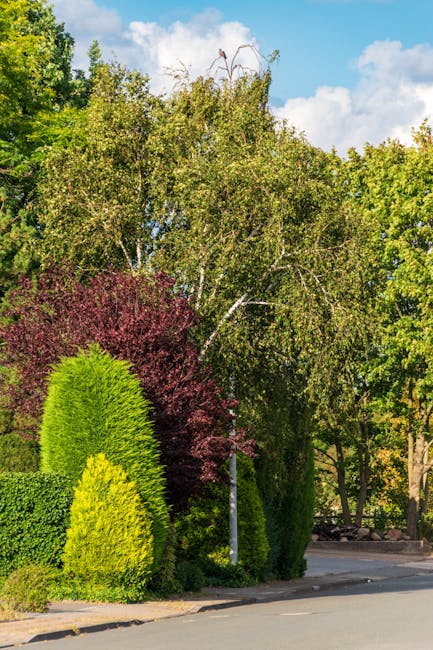
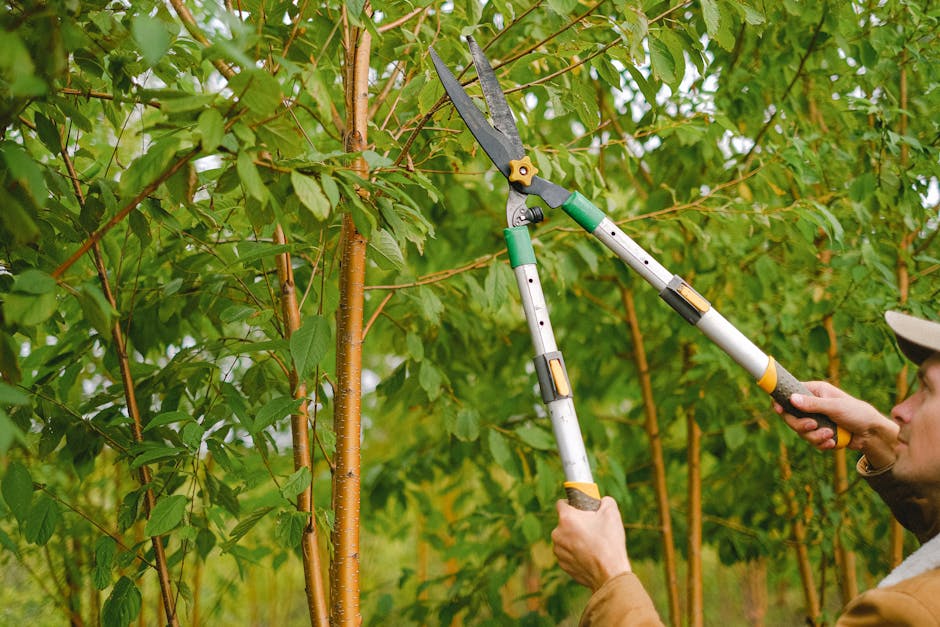
Bexley Council permits for gardeners tree pruning in Slade Green
If you are planning tree pruning in Slade Green, the first question is rarely about secateurs or ladders. It is usually this: do I need permission, and who is actually responsible for checking it? That is where Bexley Council permits for gardeners tree pruning in Slade Green come in. For homeowners, landlords, and local gardeners, a little clarity at the start can save a lot of awkwardness later on. It also helps you avoid damage to protected trees, awkward neighbour disputes, and the kind of messy rework nobody enjoys on a damp Tuesday morning.
This guide breaks the topic down in plain English. You will see how permits and permissions tend to work, when council involvement matters, what careful gardeners should check before cutting, and how to plan pruning so the tree, the garden, and the property all benefit. We will also look at common mistakes, practical tools, and sensible ways to get the job done properly.
Table of Contents
- Why Bexley Council permits for gardeners tree pruning in Slade Green Matters
- How Bexley Council permits for gardeners tree pruning in Slade Green Works
- Key Benefits and Practical Advantages
- Who This Is For and When It Makes Sense
- Step-by-Step Guidance
- Expert Tips for Better Results
- Common Mistakes to Avoid
- Tools, Resources and Recommendations
- Law, Compliance, Standards, or Best Practice
- Options, Methods, or Comparison Table
- Case Study or Real-World Example
- Practical Checklist
- Conclusion
- Frequently Asked Questions
Why Bexley Council permits for gardeners tree pruning in Slade Green Matters
Tree pruning is one of those jobs that looks simple until the details start stacking up. A branch overhanging the path, a tree close to a boundary, a protected specimen in a front garden, or a crown that has grown far too close to a roofline - any one of these can change the level of care required. In Bexley, as in many London boroughs, the main issue is not just whether pruning is sensible. It is whether the work is allowed, and whether any local controls apply before a saw comes out.
That matters because gardeners are often the first people to spot a problem. A hedge may be encroaching on light. A mature tree may be rubbing against a fence. A client may want a clear view or a safer garden for children and pets. Fair enough. But if the tree is covered by a Tree Preservation Order, sits in a conservation area, or is subject to other local restrictions, pruning without the right checks can create real problems. The work may need to stop, and the cost of putting it right can be much higher than the cost of planning it properly.
There is also a broader reason. Trees are not just obstacles. They contribute shade, habitat, privacy, wind reduction, and a calmer feel to a garden. If they are cut badly, they can become weak, misshapen, or more prone to disease. You do not want the quick fix that causes the long headache. In practice, permit awareness protects the garden as much as it protects the council's rules.
For local gardening projects that include boundary planting, hedge shaping, or light pruning around larger trees, it helps to think holistically. A project may involve tree surgery, hedge trimming, garden maintenance, or even broader landscaping work, depending on the site. If you are building a longer-term plan for the garden, related reading on routine garden maintenance and tree surgery support can help frame what is sensible to handle yourself and what should be treated as specialist work.
How Bexley Council permits for gardeners tree pruning in Slade Green Works
Let us keep this practical. The exact process can vary depending on the tree, the property, and what sort of work you want done. But the general workflow is usually straightforward.
- Identify the tree and the work needed. Decide whether the task is light shaping, deadwood removal, crown thinning, reduction, or removal of a limb. The type of pruning matters.
- Check whether any protection may apply. Trees can be protected by a Tree Preservation Order or fall within a conservation area. If so, extra permission or prior notice may be needed.
- Inspect the location. Is the tree on private land, near a boundary, or touching council-owned space? Is it near power lines, roofs, paving, or a public footpath? All of that affects risk and procedure.
- Assess the objective. Are you improving light, reducing weight, clearing a structure, or correcting poor growth? Clear aims help avoid over-pruning.
- Plan the method and timing. Some species respond better at certain times of year. Weather also matters. Wet, windy, or icy conditions are not the time to be heroic.
- Arrange the right permissions or confirmations. If the tree is protected, the council may need to review the work before it happens. If it is not, you still need to keep safe and work responsibly.
- Carry out the pruning carefully. Good pruning is measured, not dramatic. The aim is healthy structure, not a hacked-back silhouette.
A useful detail that people sometimes miss: pruning is not just about what you cut. It is about what you leave behind. Cut too much, and the tree may respond with weak regrowth or stress. Cut too little, and the problem remains. That balance is where experience really shows.
If the job is part of a larger refresh, such as thinning a tree to improve privacy or managing shade over a patio, you may also want to read about hedge trimming in Slade Green and landscaping services. The best garden results usually come from seeing the whole picture, not a single branch in isolation.
Key Benefits and Practical Advantages
When permits and pruning are handled properly, the benefits are larger than most people expect. Yes, the tree looks tidier. That is the obvious bit. But the real gain is often in safety, long-term plant health, and how the whole garden feels to use day to day.
- Better safety: Removing deadwood, rubbing limbs, or unstable growth can reduce the chance of branches failing in wind.
- Healthier structure: Careful cuts help a tree grow in a more stable, balanced way.
- Improved light levels: A lighter crown can make a shaded garden much more usable.
- Reduced nuisance: Neighbouring roofs, gutters, fences, and paths are less likely to be affected.
- Lower risk of mistakes: Checking permits before work starts helps prevent enforcement issues and avoidable costs.
- More considered garden design: Trees can be pruned to complement privacy, seating, planting, and boundary layout.
There is another practical advantage, and it is easy to overlook: confidence. Once you know what permission is needed, or not needed, decision-making becomes much calmer. You can book the right help, schedule the work at a sensible time, and explain the plan clearly to the client or property owner. No guesswork. No crossed wires. That alone is worth a lot.
For gardens where screening and structure matter, pruning often links naturally with privacy planting and boundary management. If that sounds familiar, it may be useful to explore backyard privacy with thriving hedges and weather-resistant garden barriers. Tree work and hedge planning often overlap more than people think.
Who This Is For and When It Makes Sense
This topic is relevant to a surprisingly wide group. It is not just for large estates or mature gardens. In Slade Green, the need can come up in compact front gardens, long rear plots, rental properties, shared boundaries, and even newer gardens where a tree has grown faster than expected.
- Homeowners: Especially if trees are crowding the house, blocking light, or interfering with paving and fences.
- Landlords and managing agents: Useful when safety, tenant comfort, and property care all need to be balanced.
- Gardeners and maintenance teams: Good for planning work without overstepping permissions or damaging a client's tree stock.
- Older properties: Mature trees and boundary planting can be more likely to sit within protected or sensitive contexts.
- Busy families: If the garden needs to stay safe and manageable, pruning can make a big difference.
It makes sense to pause and check permissions when the tree looks mature, unusual, or possibly protected. It also makes sense before any major reduction, crown lift, or limb removal. If the job is tiny - say, removing obvious dead twigs from a small unprotected ornamental tree - the process may be simpler. But the moment the work touches a substantial tree or a sensitive site, it is wise to slow down.
Truth be told, many problems start with good intentions and a pair of loppers. The person means well. The cut is made. Then the tree complains, the neighbour notices, or the council gets involved. Better to avoid that little drama.
Step-by-Step Guidance
If you want a sensible, low-stress approach, this is the sequence I would follow. It is not glamorous, but it works.
- Walk the site properly. Look from several angles. Check the canopy, trunk, base, and surrounding hard surfaces. A five-minute look is rarely enough.
- Decide what outcome you want. More light? Safer clearance? A tidier shape? The clearer the goal, the better the pruning plan.
- Ask whether the tree may be protected. If there is any doubt, treat it cautiously. You are better off checking once than regretting it later.
- Check for practical hazards. Watch for cables, unstable ground, uneven patios, slippery grass, and nearby structures.
- Choose the right season and conditions. Dry, settled weather usually makes for safer and cleaner work. Not always possible, of course, but worth aiming for.
- Use the least invasive method that solves the problem. Small, selective cuts are often preferable to heavy reduction.
- Make clean cuts and avoid tearing. Ragged wounds invite stress and poor recovery.
- Clear waste promptly. Branches, leaves, and twigs left behind can hide hazards and spoil the garden's appearance.
- Review the result from a distance. Step back. Check proportion. A tree should still look like a tree, not a badly balanced umbrella.
- Log what was done. For recurring work, notes on timing and method help a lot next time around.
If the pruning is part of a wider maintenance programme, it can sit neatly alongside general gardening services or regular maintenance visits. That is often the easiest way to keep a garden steady rather than waiting for one-off emergencies.
Expert Tips for Better Results
Small decisions make a huge difference with trees. Here are the habits that tend to separate tidy, healthy work from rushed, risky work.
- Prune with a purpose. Every cut should have a reason: safety, shape, clearance, or health. If you cannot explain the cut, leave it for now.
- Respect the branch collar. That slightly swollen area where a branch meets the trunk matters. Cutting it badly can slow recovery.
- Start with dead, damaged, or crossing growth. This is often the most productive first pass.
- Avoid topping. It is one of the quickest ways to create ugly, weak regrowth.
- Think about future growth. A branch you remove today changes the canopy for years, not days.
- Use the right equipment for the job. Dull blades and improvised tools make poor cuts and tired gardeners. Nobody wins.
- Factor in the rest of the garden. A tree that is pruned for light may improve lawn health, border growth, or seating comfort too.
One small but useful observation: a tree that looks "too big" is not always the one that needs the most pruning. Sometimes the problem is the surrounding layout. A path may be too close, a fence may be poorly placed, or a seating area may simply need a rethink. In those cases, good planning can reduce future pruning pressure. That is where ideal seating areas and space-saving garden ideas can be surprisingly useful.
Common Mistakes to Avoid
Most pruning problems are avoidable. The tricky bit is that they often feel harmless in the moment. Here are the ones that crop up most often.
- Assuming permission is not needed. If there is any chance of protection, check before cutting.
- Over-pruning in one go. A hard cut can shock the tree and create weak regrowth.
- Using blunt or dirty tools. This can lead to poor cuts and increased disease risk.
- Cutting at random heights. A piecemeal look usually means the tree has not been planned properly.
- Ignoring the tree's species and age. Young trees and mature trees should not be treated the same way.
- Leaving stubs. They rarely heal well and can become a nuisance later.
- Forgetting the aftermath. Branch disposal, access cleaning, and checking for loose debris all matter.
A slightly less obvious mistake is treating every tree problem as a pruning problem. Sometimes the real issue is ivy, poor soil, or storm stress. If the tree is fighting through a messy base or struggling in compacted ground, pruning alone may not fix it. Helpful adjacent reading includes improving garden soil quality and removing ivy completely. The whole site can influence tree health. It really can.
Tools, Resources and Recommendations
You do not need a truck full of kit, but you do need the right basics. Good tools make pruning safer, cleaner, and much less frustrating.
- Secateurs: For small stems and fine shaping.
- Loppers: Useful for thicker, reachable branches.
- Pruning saw: Better for larger limbs that should not be forced.
- Gloves and eye protection: Simple, practical, and worth it.
- Stable ladder or access platform: Only where appropriate and safe. Wobbling about on uneven ground is not a plan.
- Disinfectant or cleaning method for tools: Helps when moving between plants.
- Waste sacks or a disposal plan: Makes the site look finished, not half-done.
For readers who prefer a more organised approach, it can help to look at broader service and planning pages too. a practical tools guide for gardeners can help you think about what belongs in a basic kit, while pricing and quotes is useful if you want to compare the cost of handling tree work professionally rather than doing it yourself.
If safety is a concern, do not skip it. Tree work sits close to ladders, sharp tools, falling material, and sometimes awkward access. A thoughtful approach backed by insurance and safety information and a clear health and safety policy is a good sign that the work is being treated properly. That may sound dull. It is not. It is what keeps the job boring in the best possible way.
Law, Compliance, Standards, or Best Practice
In the UK, tree pruning is not only a gardening question; it can be a property and compliance question too. The exact legal position depends on the tree, the site, and whether local controls apply. In practice, gardeners should be alert to Tree Preservation Orders, conservation area controls, ownership boundaries, and any requirements tied to protected or shared trees.
A careful, best-practice approach usually means:
- checking the status of the tree before work begins;
- keeping records of what was inspected and why the pruning was proposed;
- avoiding unnecessary damage to the trunk, roots, or main scaffold branches;
- working within the limits of safe access and competence;
- stopping if the situation becomes unclear or risky.
That last point is important. Nobody earns points for guessing on site. If the tree appears protected, shared, or unusually sensitive, the safest move is to slow down and confirm the situation first. If the pruning is beyond routine hedge work or simple maintenance, specialist input is often the better route. You may also find it useful to review the business's terms and conditions and payment and security information before booking.
Options, Methods, or Comparison Table
Not every tree job needs the same level of formality. The right approach depends on the tree, the risk, and the end goal. Here is a simple comparison to help you think clearly.
| Approach | Best for | Pros | Watch-outs |
|---|---|---|---|
| Light selective pruning | Small, unprotected trees and minor shaping | Quick, tidy, low disturbance | Still needs care; over-cutting is easy |
| Formative pruning | Younger trees being trained for structure | Supports healthy long-term growth | Timing matters; poor cuts can set growth back |
| Maintenance pruning | Established trees needing deadwood or clearance work | Improves safety and appearance | May still require permission checks |
| Specialist tree surgery | Large, mature, protected, or complex trees | Higher control, better risk management | Usually costs more, but often worth it |
For many Slade Green gardens, the smart answer sits between "do it all yourself" and "call in a specialist for everything." Smaller jobs can be manageable. Larger or uncertain jobs are better handled with the right expertise. If the tree work is part of a wider exterior refresh, pages such as fencing, lawn care, and patio cleaning may also be relevant to the wider property plan.
Case Study or Real-World Example
Picture a typical Slade Green rear garden: a mature tree near the boundary, a lawn that struggles in shade, and a neighbour who would quite like a little more light. The homeowner is tempted to take off a few large limbs on a Saturday morning and be done with it. Understandable. But the tree is close to a fence, and it may be subject to local controls. Instead of jumping in, a better approach is to assess the tree first, confirm whether permission is needed, and decide whether the work is light pruning or something more substantial.
In a case like that, the work often ends up being smaller and smarter than the homeowner first imagined. Deadwood is removed. A few crossing branches are lifted. The crown is thinned enough to improve light without stripping the tree bare. The garden feels brighter, the lawn gets a better chance, and the tree still keeps its shape. That last part matters. A well-pruned tree still feels alive and intentional. You notice it in the morning light, especially when the weather turns soft and grey, as it often does here.
The real win is not just a neater tree. It is a garden that works better without shouting about it.
Practical Checklist
Before any pruning begins, run through this checklist. It is simple, but it saves trouble.
- Have I identified the exact tree and the exact work needed?
- Could the tree be protected or otherwise restricted?
- Do I know who owns the tree and who is responsible for the work?
- Is the pruning light, moderate, or specialist?
- Are the weather and ground conditions safe enough?
- Do I have the right tools and protective gear?
- Have I planned for waste removal and cleanup?
- Do I understand the result I want, not just the cut I want to make?
- Is there any neighbour, boundary, or access issue to consider?
- Would it be wiser to speak to a professional before proceeding?
If you are still undecided after the checklist, that is usually a sign to pause, not push on. It is a garden job, not a race.
Conclusion
Bexley Council permits for gardeners tree pruning in Slade Green are really about one thing: making sure tree work is safe, sensible, and properly judged before it starts. When you check permissions, understand the site, and prune with restraint, the garden benefits for months and often for years. Light improves, risks reduce, and the tree keeps its shape instead of becoming a cautionary tale.
That balance between care and practicality is the whole point. Good pruning is thoughtful, not flashy. A good gardener knows when to cut, when to wait, and when to ask for a second look. And to be fair, that sort of judgement is often what clients remember most.
If you are planning tree pruning in Slade Green and want a tidy, compliant, well-managed result, it is worth speaking with a local team that understands both garden care and the local context.
Get a free quote today and see how much you can save.
Sometimes the best garden decisions are the quiet ones: a careful cut, a clear plan, and a tree that gets to keep growing well.
Frequently Asked Questions
Do I always need permission for tree pruning in Slade Green?
No, not always. Minor pruning on an unprotected tree may not need council permission, but protected trees, conservation area trees, or more substantial work can trigger extra checks. When in doubt, confirm before cutting.
What is the difference between pruning and tree surgery?
Pruning usually refers to selective cutting to improve shape, safety, or health. Tree surgery is a broader term that can include more technical work such as reductions, removals, or complex remedial tasks. If the tree is large or sensitive, tree surgery may be the better route.
How do I know if a tree is protected by Bexley Council?
You will need to check the tree's status before work begins. If the tree appears mature, prominent, or near a boundary in a sensitive area, treat it cautiously and verify whether any protection applies.
Can a gardener prune a tree themselves?
Yes, for small and uncomplicated jobs, provided the gardener is competent and the tree is not protected. For larger trees, tricky access, or uncertain legal status, it is safer to bring in specialist help.
What happens if pruning is done without the right permission?
That can create serious problems, including enforcement action, costs to repair damage, and disputes with neighbours or property owners. It is much easier to check first than to deal with the consequences later.
When is the best time to prune a tree?
The best time depends on the tree species, the purpose of the pruning, and the weather conditions. Dry, settled weather is generally preferable, but the specific timing should suit the tree and the task, not just the calendar.
Should I cut back a tree that is blocking light straight away?
Not necessarily. Blocking light is a common concern, but the right response may be selective pruning rather than a heavy reduction. The goal is to improve light without damaging the tree's structure.
What kind of pruning is usually safest for a mature tree?
Light, selective pruning is usually safer than major cuts. Mature trees tend to respond better to measured work that removes dead, crossing, or poorly placed branches rather than large sections of the crown.
Do I need to tell my neighbour before pruning near a boundary?
It is often wise to do so, even where formal permission is not required. Boundary trees can quickly become sensitive if branches overhang, touch fencing, or affect shared light. A quick conversation can prevent a lot of friction.
Can tree pruning help with garden privacy?
Yes, but it depends on the tree and the shape of the canopy. Sometimes pruning improves privacy by keeping the tree healthy and well-formed; other times hedging or mixed screening may work better. It is worth comparing options before deciding.
What should I do with branches and waste after pruning?
Arrange a disposal plan in advance. Green waste, larger branches, and leafy debris should be cleared promptly so the garden stays safe and tidy. A half-finished cleanup always makes the whole job feel messier than it really was.
How do I choose between a gardener and a specialist tree team?
If the work is light, routine, and clearly unprotected, a skilled gardener may be suitable. If the tree is large, protected, close to structures, or awkward to access, a specialist tree team is usually the more reliable choice.