DA8 garden maintenance costs explained for Slade Green homes
If you live in Slade Green and your garden is starting to feel like a second job, you are not alone. The real question is not whether maintenance matters, but what you should expect to pay and why the numbers can vary so much. This guide to DA8 garden maintenance costs explained for Slade Green homes breaks everything down in plain English: what affects pricing, how garden care is usually priced, what tasks are worth prioritising, and how to avoid paying more than you need to. You will also find practical examples, a simple comparison table, and a checklist you can use before requesting a quote.
To be fair, most homeowners do not need a perfect lawn and a magazine-ready border all year round. They just want a garden that looks cared for, stays manageable, and does not quietly turn into a weekend-eating monster. Let's get into the useful bit.
Table of Contents
- Why DA8 garden maintenance costs explained for Slade Green homes matters
- How garden maintenance pricing usually works
- Key benefits and practical advantages
- Who this is for and when it makes sense
- Step-by-step guidance
- Expert tips for better results
- Common mistakes to avoid
- Tools, resources and recommendations
- Law, compliance, standards, and best practice
- Options, methods, or comparison table
- Case study or real-world example
- Practical checklist
- Conclusion
- Frequently asked questions
Why DA8 garden maintenance costs explained for Slade Green homes Matters
Garden maintenance pricing is one of those things that sounds straightforward until you actually compare quotes. Two gardens on the same street can need very different levels of attention. A small paved garden with a few beds might need little more than mowing, edging, and weed control, while another property may need hedge trimming, border tidy-ups, pruning, leaf clearance, and a bit of rescue work after a long wet spell.
For DA8 homes, the cost conversation matters for three reasons. First, gardens in the area often have mixed surfaces and mixed planting, which means labour can be more variable than a simple "per hour" estimate suggests. Second, local weather has a habit of speeding up growth in one week and flattening it in the next. Third, once a garden slips behind, the recovery work can cost noticeably more than regular upkeep. Truth be told, prevention is usually cheaper than a major tidy-up.
There is also the planning side. If you are budgeting for regular help, you need to know whether you are comparing like for like. A quote for simple mowing is not the same as a full seasonal service, and a one-off clearance is very different from a recurring maintenance plan. That distinction is where a lot of confusion starts.
If you are also thinking about hedge work, it is worth reading a practical service overview like hedge trimming in Slade Green alongside this guide, because hedging is often one of the biggest cost variables in local garden care.
How garden maintenance pricing usually works
Most garden maintenance costs are shaped by the same basic factors, even if different providers package them in different ways. Some work from hourly labour, some from fixed visit rates, and some from tailored plans based on the size and condition of the garden. In practice, the final figure usually comes from a combination of access, workload, and how often the work needs doing.
Here is the simplest way to think about it: the cleaner, smaller, and more regular the job is, the easier it is to price. The more overgrown, awkward, or varied the garden is, the more time and equipment it takes. That sounds obvious, but it helps explain why "garden maintenance cost" is rarely a single number.
Common pricing components include:
- Visit length - quick tidy-ups take less time than full maintenance sessions.
- Garden size - larger gardens generally need more labour and disposal time.
- Task mix - mowing alone is simpler than mowing plus hedge cutting, weeding, pruning, and clearing.
- Condition of the garden - neglected spaces usually need more effort at the start.
- Access and waste removal - narrow side access, heavy green waste, or repeated trips to a compost or disposal area can affect cost.
- Seasonality - spring and summer growth can increase the workload, while autumn often brings leaf clearance and tidying.
Some homeowners ask whether a one-off visit is better value than a regular service. It depends. If your garden is already in decent shape, an occasional refresh may be enough. If it needs constant trimming and weed control, a routine plan often works out better because each visit is lighter and more predictable. That's the part people sometimes miss.
For a broader service picture, it can help to look at the provider's garden maintenance service and compare it with related work like lawn mowing or lawn care. A neat lawn can make the whole garden look half-maintained already.
Key Benefits and Practical Advantages
Garden maintenance is not just about appearances, although that is part of it. A well-kept outdoor space tends to be easier to enjoy, easier to inspect, and less expensive to rescue later. You notice the difference when you step outside on a damp Saturday morning and everything looks under control rather than slightly wild and apologetic.
- Better long-term value - regular care helps prevent expensive remedial work later.
- Safer outdoor spaces - clear paths, trimmed edges, and managed growth reduce trip hazards.
- Healthier plants and turf - routine attention usually supports stronger lawns, beds, and shrubs.
- More predictable costs - regular work is easier to budget for than sudden emergency clearances.
- Less stress - that old "I'll sort it next weekend" feeling disappears a bit.
There is a practical design benefit too. When maintenance is planned properly, you can choose lower-effort features that keep costs down. For example, ground covers, well-chosen shrubs, and simple seating zones can reduce the amount of ongoing tidying. Ideas like these are explored well in ground cover ideas for UK gardens and low-maintenance garden innovations.
There is a lovely knock-on effect here: a garden that is easier to maintain is also easier to enjoy. Funny how that works.
Who This Is For and When It Makes Sense
This topic is relevant for a wide range of Slade Green homeowners, but the reasons vary. Some people just want the basics done well. Others are managing a busy family schedule, preparing a home for sale, or dealing with an overgrown garden after a period of illness, travel, or a particularly enthusiastic growing season.
Garden maintenance makes sense if you:
- do not have time for regular outdoor upkeep;
- want a tidy, presentable garden without doing the labour yourself;
- have hedges, lawns, or borders that grow quickly and need steady control;
- are recovering a neglected garden and want it brought back under control;
- need help before an event, property viewing, or seasonal change;
- prefer planned costs rather than occasional panic and a big bill.
It also makes sense if you have specific pressure points. Maybe ivy is creeping where it should not, maybe the lawn is patchy, or maybe the hedge has gotten taller than you remembered. That happens. In fact, one of the quiet realities of garden ownership is that growth does not consult your diary.
If your garden has a few stubborn issues, useful related reading includes weed control tips and ivy removal guidance. Those jobs can have a surprising effect on total maintenance time.
Step-by-Step Guidance
If you want to understand or control garden maintenance costs, start with structure. A good quote is usually the result of a clear scope, not guesswork. Here is a sensible approach.
- Walk the garden slowly
Look at lawn areas, beds, hedges, paths, fences, borders, and any problem spots. You are checking for what needs regular attention and what needs a one-off reset. - Separate regular tasks from occasional tasks
Routine mowing, edging, and weeding are different from seasonal pruning, pressure washing, or clearance jobs. This helps you avoid paying a repeat price for a one-off task. - Measure the scale honestly
Small gardens can still be fiddly, and large gardens can be deceptively simple. Space is only one part of the story. - Decide your frequency
Weekly, fortnightly, monthly, or seasonal? The more predictable the schedule, the easier it is to keep the garden under control. - Flag access issues
Narrow gates, long carry distances, steep slopes, and storage limitations all affect labour time. - Ask what is included
Does the quote include green waste removal, edging, strimming, pruning, and tidying? Or just the obvious bit? - Compare on total value, not just headline cost
A cheaper quote can be poor value if it excludes the bits you actually need.
A helpful habit is to start with the worst-looking section first. That way the garden quickly feels more manageable, and the maintenance schedule becomes easier to judge. Small win, but it matters.
Expert Tips for Better Results
Over time, a few patterns become obvious. Gardens cost less to maintain when the work is planned around how the space actually behaves, not just how it looks on paper.
1. Keep hedges and edges on a rhythm. If you leave hedge cutting too long, the next visit can become a shaping job rather than a trim. That changes the cost. The same goes for crisp edges that are allowed to wander.
2. Build around the easiest path. If you know certain areas are awkward to access, keep them simple with ground cover, mulch, or low-maintenance planting. A tidy, resilient border often saves money all year.
3. Don't ignore the soil. Poor soil quietly raises maintenance costs because plants struggle, lawns thin out, and weeds move in. A bit of improvement early on can reduce future work. There's a useful guide on improving garden soil quality if you want to go deeper.
4. Match the service to the season. Spring growth bursts, midsummer tidying, autumn leaf clearing, and winter preparation all create different labour patterns. A seasonal mindset usually saves money.
5. Use low-maintenance features where they genuinely help. Decorative gravel, hardy borders, and well-placed seating can reduce the area that needs constant attention. If you are rethinking layout, garden seating ideas and container gardening for smaller spaces may give you some inspiration.
And a very human tip: keep a short note after each visit about what was done and what still needs attention. It sounds simple, but it stops that awkward "wait, did we already trim that?" moment. We have all had it.
Common Mistakes to Avoid
When people are trying to manage garden maintenance costs, the same mistakes crop up again and again. Avoiding them can save real money, not just a little admin hassle.
- Comparing quotes without checking scope - one provider may include waste removal while another does not.
- Booking only when the garden is already overgrown - reactive work costs more than regular care.
- Ignoring hedge and shrub growth - these can quickly become the main cost driver.
- Assuming one service fits all - lawn care, hedge trimming, and general maintenance are related but not identical.
- Forgetting access and disposal - time spent carrying waste or working around obstacles adds up.
- Choosing cost over consistency every time - the cheapest visit is not always the cheapest year.
Another common issue is underestimating how much wind, shade, or damp affects growth. Slade Green gardens can have awkward little pockets where one side thrives and the other side struggles. That means a "standard" plan sometimes needs a small adjustment. Not a big drama, just reality.
If hedges are a recurring issue, this practical guide to improving hedge shaping skills can help you understand why some trimming jobs take much longer than they first appear.
Tools, Resources and Recommendations
There are two kinds of tools that matter here: the tools the gardener uses, and the tools you use to make the work easier to price and manage. Both matter more than people think.
Useful garden-care equipment often includes:
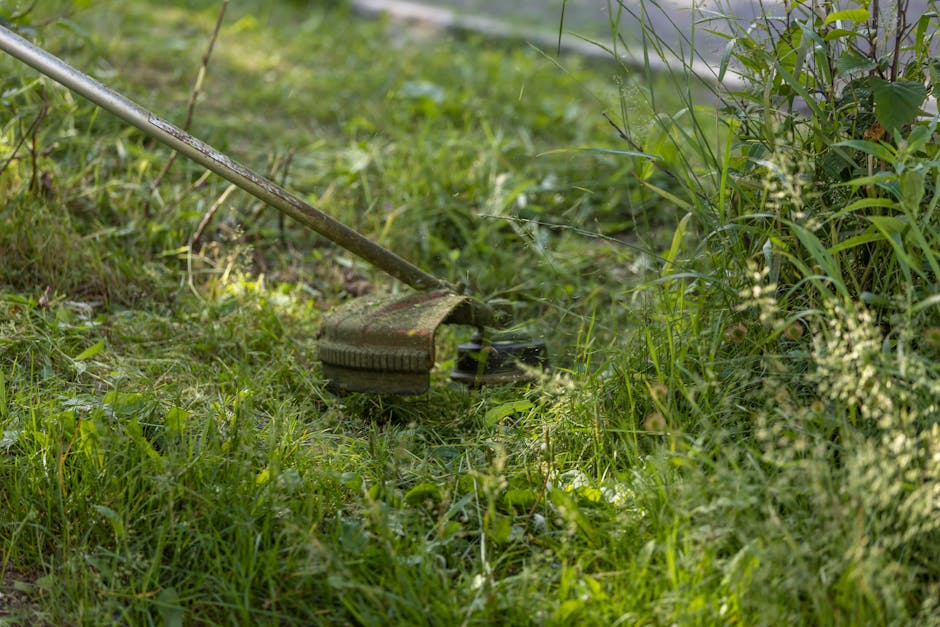
- mowers and strimmers for grass management;
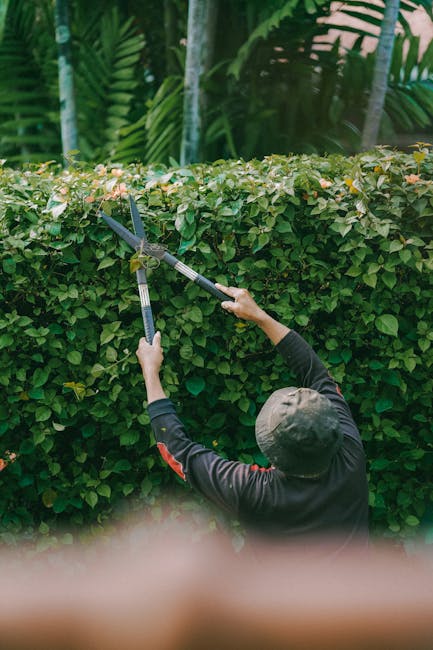
- secateurs and hedge trimmers for shaping and pruning;
- rakes and leaf collectors for seasonal clear-ups;
- spades, forks, and hand tools for border work;
- gloves, eye protection, and sturdy footwear for safety;
- waste bags or collection systems for green waste control.
For homeowners, the most useful "resource" is a clear list of what you actually want done. Simple, yes, but incredibly effective. A short note such as "mow front and back, trim side hedge, weed borders, clear paths" gives everyone a better starting point.
If you are building a lower-effort garden over time, these articles are worth a look: tools every enthusiast should have, winter preparation advice, and first steps for a dormant garden.
You may also want to review the provider's pricing and quotes information so you understand how estimates are put together. It saves a lot of back-and-forth later.
Law, Compliance, Standards, or Best Practice
For most domestic garden maintenance, the key concern is not complex regulation; it is good practice, safety, and responsible working. That said, homeowners should still expect any reputable provider to act carefully around access, equipment, waste, and site safety.
Good practice normally includes:
- clear communication about the scope of work;
- safe use of tools and machinery;
- reasonable care around fences, paving, decking, and planting;
- proper handling of green waste and debris;
- respect for property boundaries and neighbouring spaces;
- transparent terms for cancellations, payment, and complaints.
If work involves heights, heavy cutting, or potentially hazardous tasks, a provider should be able to explain how they manage risks. For example, hedge work near walls or tree-related work can involve different safety considerations. In those cases, it helps to review insurance and safety information and, where relevant, tree surgery services.
It is also sensible to check the provider's health and safety policy, terms and conditions, payment and security guidance, and complaints procedure. Those pages do not just tick boxes; they tell you a lot about how the business operates day to day.
Options, Methods, or Comparison Table
One of the easiest ways to understand garden maintenance costs is to compare service styles. The right choice depends on how much work you want done, how often, and how predictable you need the cost to be.
| Maintenance option | Best for | Typical cost behaviour | Things to watch |
|---|---|---|---|
| One-off tidy-up | Overgrown or neglected gardens | Usually higher because the first visit is heavier | Can be good value if you need a reset, but not ideal for ongoing control |
| Regular mowing and basic care | Well-kept lawns and simple gardens | More predictable and often easier to budget | May not include hedges, weeds, or borders unless agreed |
| Seasonal maintenance | Homes that need help at key times of year | Costs vary with spring growth and autumn leaf fall | Good middle ground, but the scope should be clear |
| Full garden maintenance plan | Busy households or larger gardens | Typically the most structured and consistent | Best when you want a reliable standard, not just a quick cut |
If you are mainly concerned with lawn quality, a dedicated lawn care service may be more efficient than a broader general tidy. If the garden also needs wider improvement, though, a full maintenance approach often makes more sense.
For gardens where privacy, boundaries, or structure are part of the plan, you might also explore fencing services or landscaping support. Those projects can change maintenance needs quite a bit.
Case Study or Real-World Example
Here is a realistic example, based on the sort of situation many Slade Green homeowners face.
A small family home in DA8 has a back garden with a modest lawn, a few shrub beds, a hedge along one side, and a paved area that gathers moss and debris after wet weather. For months, the owners kept delaying work because the garden was "not that bad." Then spring hit, the hedge shot up, weeds appeared in the border, and the patio started looking like it had been parked under a tree for a season. You know the feeling.
What happened next was fairly typical:
- The first visit took longer because the garden needed a full reset.
- Hedge trimming added more time than expected because the growth had become uneven.
- Weeding and edging were quick individually, but together they made a noticeable difference to the total job.
- Once the space was back under control, the owners switched to a regular lighter-touch schedule.
The important lesson was not that the first quote was "too high." It was that the garden had crossed the line from maintenance into recovery. That distinction matters a lot. After the reset, regular visits were more affordable because the work stayed small and manageable.
In situations like this, some homeowners also benefit from extra support such as patio cleaning or focused gardening services rather than trying to solve everything in one go.
Practical Checklist
Use this checklist before you request or compare quotes.
- List the exact areas you want maintained.
- Separate recurring jobs from one-off jobs.
- Note any overgrown sections or problem spots.
- Check whether waste removal is included.
- Ask how often the service is recommended.
- Confirm whether hedge trimming, weeding, edging, and pruning are included.
- Ask about access issues such as side gates or limited storage space.
- Review safety, insurance, terms, and payment information.
- Decide what matters more: lowest price, consistent finish, or flexible scheduling.
- Set a realistic monthly or seasonal budget.
Practical summary: If you want the best value, define the work clearly, keep to a regular schedule where possible, and treat overgrowth early. That combination usually keeps costs steadier than most people expect.
Conclusion
DA8 garden maintenance costs are easier to understand once you break them into the real drivers: garden size, condition, frequency, access, and the mix of tasks involved. For Slade Green homes, the smartest approach is usually not chasing the cheapest number, but choosing a maintenance plan that keeps the garden under control without constant surprises. A small, regular investment tends to beat a big, stressful rescue job later on.
If your garden has been slipping behind, do not beat yourself up about it. Gardens get busy. Life gets busy. The good news is that a clear scope and the right kind of maintenance can turn things around quickly enough. Start with the basics, compare like for like, and focus on what will genuinely make the space easier to live with.
Get a free quote today and see how much you can save.
And if you are still weighing it up, that is fine too. A well-kept garden is a calm little luxury, really, and calm little luxuries are worth getting right.
Frequently Asked Questions
What affects garden maintenance costs the most in DA8?
The biggest factors are usually garden size, how overgrown it is, the number of tasks involved, and how often the work needs doing. Access and waste removal can also change the price.
Is regular garden maintenance cheaper than one-off visits?
Usually, yes. Regular maintenance tends to be easier to plan and less labour-heavy because the garden is kept under control. One-off work often includes more clearing and recovery.
Do small gardens in Slade Green cost less to maintain?
Often they do, but not always. Small gardens can still be time-consuming if they have hedges, detailed borders, awkward access, or lots of separate features.
Should hedge trimming be priced separately?
In many cases, yes. Hedge trimming can take significantly more time than basic mowing or tidying, especially if the hedge is tall, dense, or uneven.
What is usually included in a garden maintenance quote?
That depends on the provider, but it often includes mowing, edging, weeding, hedge trimming, pruning, tidying, and sometimes green waste removal. Always check the exact scope.
How can I keep maintenance costs down over time?
Choose low-maintenance planting, keep on top of growth, deal with weeds early, and avoid letting hedges and lawns become overgrown. A little consistency goes a long way.
Do I need a full maintenance plan or just occasional help?
If your garden stays manageable between visits, occasional help may be enough. If growth is fast or your schedule is packed, a regular plan usually gives better value.
Why do neglected gardens cost more to restore?
Because the first visit is heavier. Overgrown lawns, weeds, tangled borders, and large amounts of clippings all take more time and effort to sort out.
Can patio cleaning affect garden maintenance costs?
Yes, if you want it included in the same visit. Cleaning patios, paths, or decking adds time, but it can make the whole outdoor space feel much more finished.
What should I ask before agreeing to a quote?
Ask what is included, whether waste removal is covered, how often the work is recommended, what happens if the garden is more overgrown than expected, and how payment is handled.
Is it worth combining lawn care with general garden maintenance?
Often it is. If your lawn is a major feature, a dedicated lawn care approach can improve results and sometimes make the overall maintenance plan more efficient.
How do I know if a quote is fair?
Compare the scope, not just the price. A fair quote should clearly explain what work is included, how often it is needed, and whether any extras may apply.
For a friendly next step, review the service details on the site, then decide what level of help suits your garden right now. Sometimes the best move is simply getting the first visit done and letting the place breathe again.